
Contents Overview
Introduction
In a world where consumers are actively searching for convenience and engagement, personalized shopping with AR is transforming the retail environment. Augmented reality (AR) brings digital elements to the real world, which allows retailers to deliver their customers specially customized experiences that had been impossible before. Personalization now has become more than a trend in the customer-centric retail sector-it is a necessity. With AR technology, the retailer can meet such expectations by providing an immersive and relevant shopping journey.
In this blog post, we are going to discuss 5 ways personalized shopping through AR is changing the game when it comes to retail and what it means for businesses seeking to stay one step ahead.
Virtual Try-Ons for Personalized Shopping with AR
The most visible application of personalized shopping with AR is in virtual try-on technology. Clothing, eyewear, and cosmetics companies use AR to allow customers to try products virtually, making recommendations personalized based on their preferences.
For instance, customers can use AR-powered applications to imagine how a pair of glasses or a certain shade of lipstick would look on them. This technology is enhancing online shopping and reducing the possibilities of returns. Brands create trust and drive customer satisfaction through this technology by giving them relevant product recommendations.
Personalized Shopping with AR for Product Discovery and Navigation
AR takes product discovery to the next level by taking online shopping to the offline platform and vice versa, enabling more immersive shopping. Retailers could guide customers in product selection by using AR suggestions that are personalized according to the customer’s preferences. For example, an in-store display could be based on purchases or products that a customer has browsed online in the past.
Such retail innovation brings both the online and offline channels closer, as the product that a customer would be interested in will have minimal efforts in searching for such products. It allows navigation on how customers spend less time hunting for products and more time engaging with the right products.
Interactive Loyalty Programs and Promotions
Retailers can make AR apps more personal and interactive experiences for the customers by stimulating loyalty programs. For example, one may get the special treats or discounts only through participating in an AR-based treasure hunt or challenge within that store.
Personalized offers solicit higher levels of customer engagement and loyalty to the brand. Businesses infuse uniqueness to the loyalty programs through the integration of AR, letting the customers return to stores, therefore turning shopping into an enjoyable and rewarding experience.
Customized In-store Experience using AR
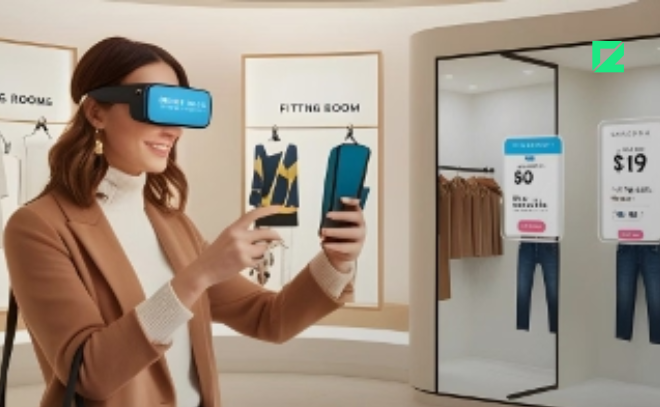
With the aid of AR, the in-store retail experience of the customer can be customized: this is so because AR gives real-time information on products. The consumers may use an AR application in their smartphone to read the barcodes of products and obtain actualized information such as care instructions, compatibility with other purchases, or user reviews.
Certain retailers have even adapted their shopping assistants powered with AR, that accompany the customer through the store, specify what matches their taste and assist them in making a smooth purchase. This is an innovative application of ARs, not only elevating customer satisfaction but also increasing in-store engagement.
Real-time data insights for better personalization
In fact, on the back end, retail AR provides much more useful data for businesses to fine-tune their personalization strategies. Through AR interactions, retailers can determine which products a customer finds the most interesting or how a customer navigates a store.
Insights from that data allow retailers to fine-tune subsequent recommendations and promotions for particular customers. The ability to provide real-time, tailored shopping experiences deepens customer relationships and makes repeat business much easier to come by.
Conclusion
Personalized shopping with AR transforms retail environments, creating new opportunities for communicating with customers and enhancing the overall experience. Virtual try-ons, recommended items tailored to individual preferences, and loyalty programs in interactive formats open the doors for meaningful interaction between the retailer and their audience through AR.
Businesses seeking to be competitive in the retail market can no longer afford not to embrace AR technology as part of their offerings. Retailers should focus on using technology that can create immersive, personalized shopping journeys for customers to help build lasting customer relationships and increase satisfaction.
As AR technology becomes more sophisticated, so does the potential for its use in retail: from immersive experiences in the stores themselves to personal styling consultations. At the moment, personalized shopping with AR provides a powerful tool for tailoring retail journeys to meet customers’ needs for engagement.
With AR shaping the future for shopping, retailers who adopt this technology will be best positioned to lead the charge on providing that customer experience which today’s shopper needs.
More Blogs: 7 Game-Changing Examples of How AR and AI Integration is Revolutionizing Industries



