
7 Revolutionary Ways Visual Search in eCommerce is Transforming Online Shopping

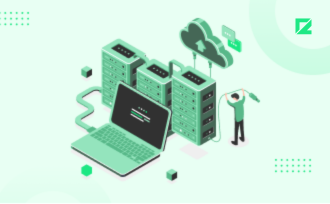
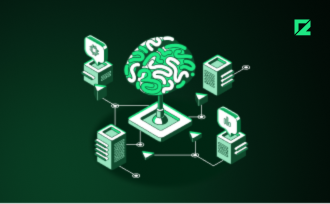
Visual search in eCommerce showing how AI is revolutionizing online shopping with image recognition and personalized product discovery.

Introduction

In the fast-evolving world of online retail, Visual Search in eCommerce is emerging as one of the most transformative innovations shaping the shopping experience. Traditional text-based search is giving way to AI-driven tools that allow consumers to search for products using images.  Probably, the most innovative and transformative technology changing the eCommerce landscape is visual search. From old school text-based searching, the tools are now surfacing because of AI-driven tools where consumers can now search for products using images. This isn’t just a more streamlined way to shop but creates a more engaging experience with intuitive usability. Companies like Codelynks are initiating the technological leap through the use of artificial intelligence that changes how customers relate to the online mark

What is Visual Search in eCommerce?

The visual search in eCommerce (Visual Search in eCommerce) of an eCommerce site enables the users to find products by uploading an image rather than writing out descriptions. The eCommerce site based on the uploaded picture tracks the visuals and returns similar or identical products available on the platforms of an eCommerce site. For example, when a user likes a pair of shoes seen in a social media post, they can use the visual search to find the exact or similar item in an online store instead of doing complicated keyword searches.

Codelynks deals with the integration of AI-powered eCommerce solutions like visual search on online retail platforms. This provides users with a better experience while also making product discovery fast and intuitive.

Essentially, AI is the foundation of Visual Search in eCommerce technology.. Algorithms are involved in this respect to allow both machine learning and deep learning on images. Such algorithms are allowed to read even the minute details concerning the pattern, color, and form of the details of images. Then, these features are matched against the retailer’s inventory catalog.

Using cutting-edge AI technologies, Codelynks builds those intelligent systems, and retailers are empowered to offer highly accurate and relevant product recommendations. Through continuous learning and fine-tuning its potential, AI constantly improves the accuracy of visual search, ensuring that this will be something truly a must for eCommerce’s future.

Advantages of Visual Search in eCommerce Improved User Experience

Here are seven key ways visual search and AI are changing the eCommerce experience:

1. Improved User Experience: Visual Search in eCommerce is easier than asking or describing, and customers find what they want exactly without having to put it into words. It increases satisfaction and engagement rates.

2. Increased Conversion Rates: Visual search is more intuitive as far as the discovery process of a product is concerned. So, customers convert faster from being interested in a particular product to buying it. Codelynks used this technology for various eCommerce brands and provided them with a sharp conversion rate lift.

3. Enhanced Product Recommendations: AI-powered Visual Search for Enhanced Product Recommendations can learn about the user preferences built from their search behavior of the retailer. In that manner, retailers can further enhance the personalized recommendations for the users, which increases opportunities to buy and builds trust with the customer.

4. Advantage Over Others for Retailers: With the increasing adoption of visual search facility, the retailers adapting this facility first would create an upper hand than other retailers who use only the classical search facility.

5. Increased Mobile Use: The mobile shopping trend also helps visual search to fit the retailer’s mobile-first strategy. Users can take a picture with their phone and immediately find similar products.

6. Business-ready Product Management: Visual search helps better classify and manage the millions of items in a large inventory. Thus, there is navigation ease for vast product selections by customers.

7. Omnichannel Consistency: Visual search does not require separate channels on desktop, mobile, or even through social media. The high-quality experience across all channels is guaranteed by Codelynks because of its strong AI offerings.

At Codelynks, we recognize that Visual Search in eCommerce powered by AI is now a present business imperative for companies that want to stay ahead in the eCommerce playing field. We offer an integrated solution that allows retailers to tap into the force of visual search technology. We have assisted companies in streamlining their operations so much better while increasing customer satisfaction.

To this end, we provide customized AI-based solutions tailored to the needs of each retailer, so as to support uniform integration within the retailer’s or existing platforms. Our experts are set up to continuously improve AI models in order to deliver faster and more accurate searches.

Why Visual Search Matters for eCommerce Retailers

Visual Search in eCommerce is no longer a fad; it is going to increasingly become a central element that successfully execute their eCommerce. Ground for this requirement would be customers look for quicker and more intuitive method of going shopping. For this reason, retailers have to accept technologies enhancing the user experience. Typically, it doesn’t result in being an effective search technique when buyers do not know what to say to describe exactly what they want. This barrier has been removed with the visual search by enabling the customer to search with an image instead, thereby making the process quicker and much more efficient in totality.

Visual search, being armed with the AI capabilities of Codelynks, can help retailers to meet and exceed customer expectations as they increase engagement and sales.

The future of Visual Search in eCommerce seems bright, with AI likely to continue improving the result accuracy and speed. Integrations with other technologies such as AR and VR will ensure that customers have an even more immersive shopping experience.

At Codelynks, we have always continued to innovate, creating new ways through which AI and visual search can be improved so that our clients are still ahead of the curve in eCommerce innovation.

Conclusion

Further developments in AI will follow more emergence of Visual Search in eCommerce as it moves forward. Another giant step forward, looking from a text-based search to discover products by images is also the discovery of products using images. The kind of technological changes pushed by companies like Codelynks changes eCommerce landscape with AI-enabled solutions. Such technology can be utilized to make online shopping more relevant, streamlined, and engaging for the mass market, preparing retailers for a world that will only grow more digital with each passing day.

More Posts: Navigating Social Media Algorithms: 7 Tips
Boost Forecast Accuracy: 7 Essential AI-Powered Business Analytics Tools

Introduction

AI-Powered Business Analytics is deemed a necessity for better decision making and forecasting. Current conventional techniques in forecasting can no longer be followed aptly to stay atop the volatile markets’ shrunken scenario. Organizations increasingly rely on AI in Business strategies to make data-driven decisions.

As an AI & Business Analyst, using the most advanced analytics tools and techniques that improve accuracy in terms of forecasting is the most fundamental. For this article, therefore, we shall discuss seven must-use AI-enabled tools which can transform your business’s ability to forecast and, thereby, plan better. We begin with

Predictive Analytics in AI-Powered Business Analytics

Predictive analytics is one of the most powerful tools when talking about AI powered business analytics, based on historical data fed into machine learning models and statistical algorithms which have the potential to forecast future outcomes in order to enable businesses to prepare for future fluctuations in demand. This is a core application of AI in Business for forecasting.

  • Apply machine learning models in analyzing sales trends and seasonality.
  • Identify customer behavior patterns to know the demanded quantity of products
  • Integrate predictive analytics with supply chain systems in optimizing inventory levels.
  • Accurate demand forecasting helps reduce wastage, meet the needs of customers promptly, and move ahead of the competition.

Time Series for Financial Planning

Time series forecasting is an analysis where data points collected at a particular interval are used to predict the upcoming trends. It mostly deals with financial forecasting, where one has to predict revenues, expenses, and cash flows.

  • Use ARIMA models or Prophet algorithms to forecast the revenue trend.
  • Apply moving averages to filter out unconnected noise present in financial data.
  • Monitor current data to update correct predictions based on the latest change in the current market condition
  • Time-series prediction thus ensures that businesses take more effective finance decisions that will be long-lived in the future.

Machine learning enables businesses to analyze trends independent of historic events. Such data is more beneficial when a long-term strategy or market forecast has to be made on particular decisions, a common practice in AI in Business applications.

  • Use supervised learning models for trend prediction.
  • Use unsupervised learning to identify the emerging trends in customer preferences.
  • Integrate machine learning with business intelligence dashboards to provide real-time analytics
  • The application of the trend analysis can enable companies to respond rapidly to market shifts thus gaining a competitive advantage

Data Visualization in AI-Powered Business Analytics

Data visualization changes intricate data into intuitive charts and graphs so that stakeholders may comprehend better the trends and insights that come out of them. AI powered visualization tools will enable businesses to create dynamic reports updated in real-time.

  • Tableau, Power BI, or Looker are essential AI-Powered Business Analytics tools for forecasting, enabling faster, data-driven decision making.
  • Interactive dashboards that give an all-round view of business performance.
  • Automate the generation of reports for saving time and ensuring accuracy of data.
  • Clear visuals allow business decision-makers to take faster action on better insights.
AI-Powered Business Analytics data visualization dashboard showing real-time forecasting insights

NLP in forecasting reports

NLP- Enabled tools will make companies extract actionable insight from unstructured data, such as customer reviews and market news. The tools would analyze the text-based data and sentiment trends of the market to help in demand forecasting and customers’ preferences

  • Use sentiment analysis tools to understand the opinions of the customers about any product.
  • Introduce NLP-based algorithms into competitive analysis to get enhanced quality of market forecasts.
  • Automate reports that encompass critical forecasting insights.
  • NLP, because it expands the qualitative realm of data, improves the accuracy of forecasts created.

Automation in Forecasting Workflows

AI-based business analytics is also at work toward automating forecasting workflows to make the process more timely and error-free. With automations done in repetitive tasks, businesses can potentially focus on strategic decision-making and innovation.

  • Automate the process of data collection and data preprocessing from various sources.
  • Schedule auto-forecasts that automatically refresh when new data is generated.
  • Implement AI-powered chatbots for direct real-time forecasting with the ability to get forecast insights on a whim
  • Automation saves time and effort from making forecasting which will allow the company to react quickly to scenario changes

Business Intelligence Tools for 360-Degree Forecasting

Business intelligence (BI) tools offer an integration of data from different sources, and could give business an all-rounded view of their businesses. AI-enabled BI solutions integrate data both in and out of organizations to offer holistic forecasts.

  • The centralization of data can either be in SAP Analytics Cloud or Microsoft Power BI.
  • Trends in the market and even other economic indicators that will aid in the forecasting will be sourced from external data.
  • The alignment of KPIs to the business objectives will continue to be checked in real time while making the forecasts.
  • By using AI business intelligence, a firm will, therefore be able to align its attempt in forecasting with its strategic.

Conclusion

By adopting AI-Powered Business Analytics and embracing AI in Business practices, businesses can improve forecasting accuracy and decision-making efficiency. Predictive analytics, time-series forecasting, machine learning, and automation can help make forecasts more accurate, agile, and efficient. Advanced tools such as data visualization platforms, NLP-based insights, and BI solutions guarantee that insight will be at the fingertips of the decision-maker, enabling data-driven decision making and enhancing AI in Business Forecasting.

An AI & Business Analyst must embrace these tools and techniques in order to navigate the competitive market of today. Regarding forecasting demand, revenue, or customer trends, AI-powered analytics enables businesses to make smarter, data-driven decisions that lead to sustainable growth, while leveraging AI in Business for more precise planning.

Related blogs: The AI-Induced Industrial Renaissance: Revolutionizing the Future of Industry

AR and AI in Customer Experience: 5 Powerful Case Studies Driving Engagement

Illustration showing AR and AI in Customer Experience enhancing user engagement

As customer expectations change with every passing day, there is always innovation in how to better communicate the message to the customers. One such revolutionary change in this space is the integration of Augmented Reality (AR) and Artificial Intelligence (AI) in Customer Experience. Together, AR and AI can help companies create data-driven, personalized, and immersive experiences that can increase the brand’s presence and foster loyalty among its customers.

Here, we’ll discuss five integral ways the combination of AR and AI in Customer Experience is revolutionizing customer interaction, backed by real-life case studies and expert insights from the field.

Personalized Shopping Experiences

The future of the retail industry is bringing a revolution with Augmented Reality (AR) and Artificial Intelligence (AI) in Customer Experience. The blend of AR and AI has changed how retail customers perceive their products. AI-powered recommendation engines create personalized shopping experiences while working closely with AR visualization tools that seem tailor-made for every user.

Case Study: Sephora Virtual Artist:

The virtual makeup try-on feature through the mobile application has seen Sephora successfully integrate AR and AI in Customer Experience into their systems. This means that AI analyzes skin tones and preferences as customers see virtually how different products will look on their skin in real time using AR. This reduces return rates while users achieve higher satisfaction levels because they can make more informed purchase decisions.

Security Concerns: Such an enormous amount of customer data requires strong privacy measures, encryption, and adherence to data protection laws like GDPR. The integrity of the AI algorithms and AR platform must also be guaranteed to prevent breaches that could compromise customer trust.

Enhancing Customer Support with Value-added Goods/Services with AR and AI

AI-powered chatbots and virtual assistants, combined with AR, makes for a seamless support experience with customers. Through these solutions, businesses would automate routine customer queries while providing visual, step-by-step aid using AR.

Case Study: IKEA Place and AR Support

For example, IKEA allows customers to place furniture in their homes through augmented reality (AR) and AI in Customer Experience before making a purchase. This enables users to check the size and style of the furniture prior to buying. The app, enhanced with AI, learns user preferences and subsequently provides tailored suggestions on what to purchase. By improving the customer experience with AR and AI, the service also guides customers in assembling the item, turning what could have been a frustrating process into an interactive and engaging experience.

Security Issues: The AI-based customer service system contains considerable personal data, making security a critical concern in AR and AI in Customer Experience. To ensure protection, it is essential to prevent unauthorized access and cyber-attacks, enabling secure communication between AI systems and users. Therefore, multi-factor authentication (MFA) and robust data encryption should form integral components of any AR and AI-powered customer experience system.

Immersive Brand Experience through AR and AI

AR and AI in Customer Experience together are redefining campaign marketing. Brands can generate experiential outreach that captures customer attention in innovative ways. With AI, customer behavior and preferences are analyzed, enabling highly targeted campaigns, while AR creates memorable and immersive interactions for users.

Case Study: The AR Marketing Campaign of Coca-Cola

Coca-Cola leveraged the application of AR and AI in Customer Experience to provide an interactive marketing experience for users. Customers could use a limited-edition can to unlock virtual games and experiences. AI analyzed patterns of user interaction to refine the campaign, enhancing consumer engagement and interaction. By linking AR with AI, Coca-Cola achieved significant increases in brand awareness and customer experience.

Security Risks : Increased integration of AR and AI in Customer Experience into marketing means there’s an open door to cybersecurity risks such as leaking data, phishing attacks through malicious AR applications, or hacking of the AI model. Hence, organizations need to invest in strong security measures such as penetration testing and also in managing secure APIs, be it for their brand or a product related to their customer’s data.

Product Development and Testing Process Simplified

The product development process has greatly been streamlined with AR and AI in Customer Experience.. On the one hand, AI analytics provide insights into user preferences and behavior, while on the other, AR enables companies to create virtual prototypes and conduct user testing scenarios without the need for physical products.

Case Study: Nike using AR in shoe design

Nike uses AR and AI in Customer Experience to support the product development cycle. With the use of AR, the designers view 3D prototypes of shoes. It can be dynamically changed. The AI makes predictions regarding what the customer may prefer and is based on historical sales data and trends. As a result of this process, the development timelines are reduced while improving how accurately these companies can predict the customers’ demand.

Security Concerns: Proprietary information needs to be safeguarded for organizations using AR and AI in Customer Experience for product development. Malicious parties should be kept at bay from AI and AR systems. Therefore, protecting those systems from industrial espionage and intellectual property theft is a challenge. There must be end-to-end encryption as well as secure DevSecOps for safeguarding a product pipeline.
Data Insights for Experience using AI-Powered
Probably one of the more significant benefits of using AR and AI in Customer Experience is the ability to compile a lot of interaction data of customers. From this, AI can provide actionable insights that companies might be able to use continuously to refine and optimize AR experiences for better engagement and conversion rates.

Case Study: BMW’s AR Configurator

BMW has an AR and AI in Customer Experiencecar configurator through which users can design their automobiles themselves with the help of augmented reality in real time. AI analyzes preferences to give specific color schemes, features, and accessory recommendations. The use of AI would allow for tailored experiences for every user and, therefore, more satisfied customers and higher conversion rates for BMW.

Security issues: The collection and analysis of user interaction through AR and AI in Customer Experience raise significant security concerns. Data integrity has to be assured, storage secured and user data anonymized to protect customers from breaches or misuse by companies.

Conclusion: 

Unlocking AR and AI Potential

By combining AR and AI in Customer Experience,, new avenues are opening for customers to achieve unmatched improvements in life in any given industry. From one’s personalized shopping to immersive brand engagement, AI and AR are already raising the bar on the standard of interactions between a business and its customers. A delicate balance, however, is necessary, with cybersecurity robust powers to prevent hacking into people’s user data.

As a cybersecurity and AI-driven technology services firm, Codelynks customizes solutions to ensure that the AR and AI in Customer Experience systems in question are secure, compliant, and innovative. Through their help, businesses can unlock all the potential of AR and AI without being compromised or violating security and privacy.

Similar links : Personalized Shopping with AR: 5 Ways It’s Transforming Retail Experiences

The Ultimate 7 Transformative Advantages of Multi-Cloud Strategies Empowering Modern Enterprises

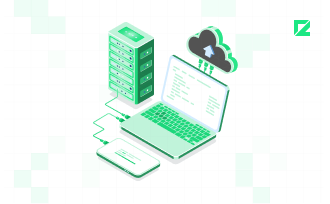
multi-cloud strategies

The multi-cloud strategies allow businesses to develop greater flexibility, scalability, and resilience in fast-changing digital landscapes. The workloads can be balanced, risks reduced, and costs optimized by utilizing multiple cloud platforms rather than relying solely on a single cloud provider. This policy will help customize the utilization of the cloud according to special needs, building the right infrastructure to support growth and innovation.

At Codelynks, we are the leading company that is specialized in the application of multi-cloud architectures for organizations, and the company advises on how to fully exploit the advantages brought by the strategy; in this blog, let us discover how businesses are embracing multi-cloud strategies and how it may lead them to long-term success.

1. Greater Flexibility and Avoiding Lock-in with a Vendor

A primary benefit of the multi-cloud strategies is its flexibility. This allow businesses to align workloads with the best provider, improving performance, reducing latency, and optimizing resources. With a multi-cloud environment, any organization should be able to pick the best cloud services available for each application or workload, such that they’re using the right infrastructure for their unique needs.

While at Codelynks, we guide clients through the process to appropriately select their mix of cloud services, we make sure they always have the agility to switch providers or adjust their cloud strategy with changing businesses.

2. Performance and Resource Optimization

The strength variations differ in cloud providers, whether performance, price, or services. Implementing multi-cloud strategies enables organizations to strategically allocate workloads according to their performance requirements, maximizing resource efficiency. For example, some may perform better on the high-performance computing resources available on one of the cloud providers, while others may require specific low-cost storage solutions that could be found on another platform.

Hence, it is possible for organizations to have improved performance, lower latency, and ensure that end users do not experience throughput or performance bottlenecks by distributing their workloads across more than a single provider. Codelynks can help businesses calculate their precise workload requirements and strategically manage all cloud-based resources with proper management of multiple cloud environments in order to maximize performance.

3. More Resilience and Reliability

The reliance on a single cloud provider can introduce vulnerabilities when its platforms are out or experience service disruptions. Multi-cloud strategies enhance business continuity by implementing redundancy architecture and fault-tolerant ecosystems, spreading workloads across multiple providers. If one goes down or becomes inoperable, other systems can still function, reducing the risk of an overall service failure.

It helps ensure continuity in business-critical operations even in the event of a black-out. Codelynks supports its customers in designing fault-tolerant multi-cloud environments providing the utmost level of reliability and business continuity.

4. Dynamic Cloud Cost Management and Multi-Cloud Optimization Strategies

There are differences in the pricing structures of storage, compute, and networking services from a variety of cloud providers. Multi-cloud strategies enable businesses to perform dynamic cost arbitrage, leverage pricing elasticity, and exercise fiscal prudence, choosing the most cost-effective services while dynamically adjusting workloads.

In addition, workloads can easily be switched between providers in line with real-time fluxes in cost so that there’s always optimization of expenses. Codelynks assists businesses in navigating through different cloud pricing models, thereby enabling them to optimize their cloud spend across varied platforms with massive cost savings.

5. Bespoke Multi-Cloud Architectures for Domain-Specific and Mission-Critical Workloads

Different applications and workloads are of different natures with different needs. While some may be high-performance computing, others must accommodate a huge amount of data or advanced security features. Multi-cloud strategies are exactly what businesses need to ensure that the unique requirements of each application are met, rather than using a one-size-fits-all approach.

For instance, an organization will employ a provider with strong AI and machine learning capabilities for data analytics and utilize another provider with robust security features for sensitive data. Codelynks works collaboratively with businesses to develop personalized solutions aligned with the strategic needs of a business to provide the best performance, security, and scalability.

6.Fortified Cloud Security and Regulatory Compliance in Multi-Cloud Strategies

Cloud security will always be one of the top concerns for businesses. Different cloud providers offer different security features and compliance certifications, and multi-cloud strategies help businesses take advantage of these diverse offerings. Companies can bolster their security posture by taking advantage of the kind of security tool and protocols that each cloud provider offers. This, therefore means protection of data, adherence to compliance requirements, and safeguard from cyber attacks.

More than this, sensitive workloads can be hosted on a provider who has specifically tailored security measures, while less sensitive applications can be hosted on a more cost-effective platform. Codelynks will ensure robust security and compliance measures in all of its cloud environments, which will reduce risk and increase protection.

7. Future-Proof Multi-Cloud Architectures for Business Agility and Technological Innovation

With growing technology, multi-cloud strategies help businesses avoid the hassle of being tied to a single provider, while cloud platforms stay updated with the latest features and innovations. So, it is clear that a multi-cloud strategy puts businesses in an efficient position to take advantage of the advancements as they will not be held bound by the confines of a particular provider. It also allows integration of cutting-edge technologies like AI, machine learning, and IoT across multiple platforms and gives future-proofing protection to the operations.

At Codelynks, work is a collaboration with companies on designing scalable and agile multi-cloud environments that can respond to any kind of innovation or technological development in the future and thus maintain its competitive advantage for long periods.

Conclusion: 

Codelynks Multi-Cloud Solutions for Cloud Optimization, Security, and Resilience”

There is solid evidence to suggest the benefits of multi-cloud strategies in today’s dynamic business environment. Improved flexibility and performance, optimized cost, and enhanced security will give businesses the abilities and best practices of multiple cloud providers to better meet changing demands and push forward their business. Escape vendor lock-in, take advantage of the strengths of various platforms, be resilient, reduce costs, and future-proof your cloud infrastructure.

We specialize in designing, building, and operating multi-cloud architectures that maximize value. Business will, based on our expertise, scale and optimize their cloud strategy according to your scalability, security, and efficiency requirements. This includes implementation of a new multi-cloud or fine-tuning your existing strategy – Codelynks, therefore, becomes your partner on the journey to the cloud.

Learn more about Top Cloud Computing Trends to Watch Over the Next Decade

Explore our Cloud Computing: 5 Game-Changing Benefits for Business Operations

7 Game-Changing Examples of How AR and AI Integration is Revolutionizing Industries

AR and AI integration transforming industries with innovative solutions by Codelynks

The integration of Augmented Reality (AR) and Artificial Intelligence (AI) is no longer a futuristic concept, but a fast-emerging reality that transforms healthcare, retail, and many more sectors. And as these technologies combine, they open up new areas to enhance user experiences and integrate operations in more innovative solutions to complex problems.

At Codelynks, we design end-to-end solutions integrating AR and AI to the best of our abilities while being strictly tailored for industry-specific needs. The following blog will elucidate the seven ways AR, coupled with AI, is transforming different sectors and noting its potential to revolutionize business performances.

1. AR and AI Integration in the Healthcare Industry

One of the most promising applications of AR and AI integration is in the healthcare industry. AI algorithms can look into medical data, identify diseases, and provide recommendations for treatment. When paired with AR, complex medical data can be visualized in real time by healthcare professionals, allowing deeper insight when operating or having a consultation with patients.

For example, surgical headsets enabling AR can help surgeons visualize organs or bones during surgery, reducing risk and increasing success rates. Meanwhile, the AI-driven system will be constantly studying the patient data; it will suggest improvements for procedures. Codelynks is currently working on designing AR and AI solutions to make surgical training more effective, diagnostics faster, and patient care improved for better health results in the healthcare sector.

2. Retail: Revitalizing In-Store Experience

For one, the retail sector embraces AR and AI to create more personal, immersive shopping experiences. Using AR lets customers try on products from the house – be it clothes, accessories, makeup – without physically touching them. AI takes this further by suggesting products based on user preference or purchasing behavior.

For instance, combining AI-powered chatbots and apps with AR will enable customers to see how the furniture will appear in their home or the size of a piece of clothing that will fit their body type. Using both AR and AI, retailers can optimize the inventory management system, predict trends, and personalize customer interaction. Codelynks engages with market leading retailers who utilize AR and AI in eCommerce application programs and enhance customer experience and sales.

3. Efficient Manufacturing thru AR and AI

AR/AI integration in the manufacturing industry is optimizing the production process towards better worker safety and less downtime. For instance, AR systems can guide workers through complex tasks by projecting step-by-step instructions directly onto machinery. AI scans machine data to predict the need for maintenance and prevent equipment failure.

In this regard, for example, AR glasses can be allowed on the field for technicians to use real-time guidelines and machine diagnostics. The health of equipment is monitored through AI-powered sensors. This way, errors by humans become as low as possible because issues can be detected early. Codelynks leads the adoption charge of manufacturing AR and AI solutions that will raise intelligent factories and boost overall operational performance.

4. Revolutionizing Education through Immersive Learning

In fact, it will be hugely augmented in education because with AR and AI combined. AR brings the students closer to interactive 3D models of complex subjects such as anatomy, engineering, or architecture for example, thus relating their learning to more immersive activities. AI tailors the content of education to the individual style of learning, making recommendations to the students for materials to study or exercises to be done.

For instance, in a class setting, AR can bring historical events to life, while AI would analyze the same student performance data to readjust teaching strategies. Combining these innovations, educators can now more effectively teach and enable better student outcomes. Codelynks is pioneering the design of AR- and AI-powered educational tools that create a highly immersive and personalized learning environment for students across all disciplines.

5. Automotive Industry: Innovation with AR and AI

AR and AI in the auto industry contributes to innovation in design, production, and user experience. AR-backed HUDs can project critical information regarding a driver’s journey directly onto the windshield for the driver to focus on while driving. AI goes one step further by analyzing real-time traffic flow, weather conditions, and behavior of the driver to offer predictive assistance.

Furthermore, AR is changing the way vehicles are designed because it allows engineers to have an in-real-time ability to manipulate 3D models of the designs. AI helps optimize vehicle performance through predictive analytics, which means better fuel efficiency and safety features. Codelynks is working with automakers to introduce such innovations in the process of their productions as well as in-car experiences by integrating AR and AI technologies in the design and interfaces of their user interactions.

6. AR and AI in Improving Customer Services

The integration of AR and AI into customer service helps businesses in providing support from other perspectives. An AI chatbot can immediately respond to a customer’s question, while an AR application allows for visual troubleshooting. For example, a customer can use the AR apps to point their smartphone camera at the malfunctioning device and then be led through repair by AI systems.

This reduces the engagement of human beings, saving cost and increasing satisfaction from customers. Codelynks has developed AI-driven customer service solutions, incorporating AR technology to make problem-solving intuitive and effective.

7. AR and AI Integration in Real Estate

The use of AR and AI in the real estate industry has led to the transformation of the way properties are marketed and sold. With AR, prospective homebuyers can view tours of properties from their homes. Experience is made even more convenient with AI, as it suggests places based on a buyer’s preference and predicts the direction the market will take.

Using an AI algorithm could analyze user preferences and give recommendations of properties that match those criteria. AR, however, lets the buyer explore properties in more detail and even change décor or layout to suit his tastes. Codelynks is allowing real estate companies to adopt AR and AI technologies so that property buying can be an experience that is both interactive and data-driven.

Conclusion: 

The Future of AR and AI Integration: AR and AI hold tremendous promise in revolutionizing industries by going deeper into healthcare, retail, and so much more. While advancements in these technologies, businesses that adopt AR and AI will be in the forefront of innovation for both process optimization and user experience.

At Codelynks, we lead the way to deliver industrial-specific AI-driven AR solutions. We stay ahead of technology trends to ensure that our clients are always ahead in being competitive and maximizing their potential in a world rapidly going digital.

Want to explore more learning tips? Check out our article on AR and AI Ethics: 5 Critical Considerations for Privacy and Security to enhance your skills and knowledge.

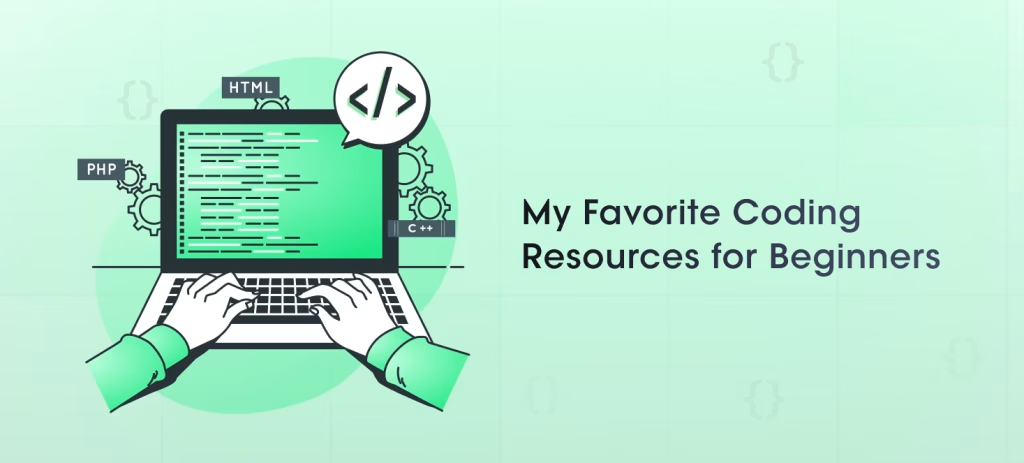
9 Must-Have Coding Resources for Beginners

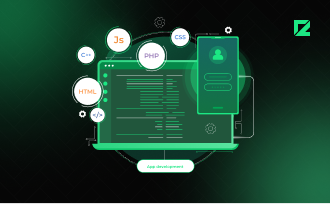
Coding resources for beginners learning programming
9 Must-Have Coding Resources

It’s both exciting and challenging to enter the world of programming, fresh out of university or as a new apprentice. Whether it be building a first website, an application for a mobile phone, or simply the nuts and bolts of computer science, there’s little to be done without the right tools in hand.

In this article, I’m going to share with you my favorite 9 must have coding resources for beginners that helped me sharpen my programming skills as a freshly graduated engineer. These resources vary in learning style from interactive tutorials to comprehensive courses.

Let’s dive into the list of the best coding tools and platforms designed for a beginner programmer.

1. Codecademy – Best Coding Resources for Beginners to Learn Programming

Codecademy is one of the most popular learning platforms to code. It offers interactivity in lessons well-suited for beginners. The platform teaches various programming languages like Python, JavaScript, and HTML/CSS, and you will easily follow step-by-step guides to build your first project within hours.

Another exciting feature is paths for specific fields, such as web development, data science, and computer science fundamentals, at Codecademy. It is one of the best places to start if you’re completely new to programming because of its beginner-friendly interface.

Learn interactively with Codecademy – one of the most popular beginner coding platforms

2. freeCodeCamp – Hands-On Coding Resources for Beginners

freeCodeCamp is excellent for hands-on learners. With their free courses and challenges, you learn through coding in real projects. The curriculum in freeCodeCamp is so vast, from responsive web design to full-stack development, and the best part: it’s free of cost.

They have a project-based approach, so you use what you learn as soon as you learn it. This community-driven platform also has forums and chat groups for questions along the way.

Start coding with freeCodeCamp

3. W3Schools – Comprehensive Coding Resources for Beginners

Online Reference W3Schools is one of the largest online tutorial websites for learning coding. It offers tutorials on topics like HTML, CSS, JavaScript, PHP, and many others. Its content is easily digestible, a property that makes it one of the best ways to learn coding generally, especially for a beginner.

What I like most about W3Schools is the useful reference when working on projects. I always get myself stuck many times with syntax or examples of how certain code works, and W3Schools is my first place to go.

Visit the site here: W3Schools.

4. GitHub: The P4. GitHub – Collaborative Coding Resources for Beginners

While GitHub is primarily an application for collaborative version control, it also becomes a great learning tool. Novice developers can look for open-source projects they can contribute to and in this way get hands-on practice with code writing.

GitHub also includes GitHub Learning Lab, which provides shorter, self-paced courses on Git, version control, and even basic coding. Contributing to open source projects provides a chance to show your skills to any number of prospective employers.

Explore open-source projects on GitHub

5. Stack Overflow – The Programmer’s Lifeline

For any developer, or a beginner and expert, Stack Overflow is indispensable. Such community-based service can be of great use when one gets stuck, to find solutions regarding problems. Novice developers will see solace in the richness of questions already answered, and the solutions already found, for surely other developers, somewhere in the world, were once in your shoes.

However, Stack Overflow is much more than just a Q&A resource. You can keep up to date with discussions and respond when you’re more knowledgeable or experienced. That way, you can help others while enhancing your knowledge and coding skills.

Check it out here: Stack Overflow.

6. Coursera – University-Level Coding Resources for Beginners

For a more academic, structured learning style, you can opt for courses from Stanford University and Harvard through Coursera. You can even start from basic computer science and programming languages classes, with more specialized areas such as AI or data science.

Coursera courses are mainly video lectures, assignments, and quizzes. Courses are so comprehensive and comprehensive in their content. Many are free, and you will need to pay for a certificate when you’re ready to add your achievements to your resume during job applications.

Explore courses here: Coursera.

7. Udemy – Affordable and Varied Coding Resources for Beginners

Udemy is another incredible platform that offers courses in thousands of programming courses at all skill levels. From beginner to advanced topics, this enormous library of courses on Udemy covers everything. You will find affordable courses on nearly every programming language and tool, including Python, Java, React, etc.

With courses offering lifetime access, you can always come back to review material as often as you need. Discounts are quite common from Udemy, so it is very budget-friendly for the beginning coder.

Browse courses here: Udemy.

8. Khan Academy – Foundational Coding Resources for Beginners

Of course, Khan Academy is a massive educational resource providing an excellent collection of courses for free in the basics of computer science and coding. While they’re really targeting the younger audience, the content is really nice for anyone interested in the basics of programming.

The interactive lessons on Khan Academy will walk you through everything from basic algorithms to JavaScript-so it’s a great place to start learning the core principles of code.

Start learning here: Khan Academy.

9. LeetCode – Problem-Solving Coding Resources for Beginners

LeetCode is also one of the popular sites for beginners and professionals who wish to hone their coding problem-solving skills. This website offers coding challenges in algorithms and data structures.

It is an awesome introductory level for newcomers to start with simple problems and gradually move their efforts into solving tougher ones. Most of the high technologies corporations utilize LeetCode-style problems during interviews, so this practice may even help you get a job.

Practice coding challenges on LeetCode

Bonus: How to Choose the Right Coding Resource as a Beginner

When starting out, pick one or two platforms that match your learning style. If you prefer guided lessons, go with Codecademy or Coursera. For project-based learning, freeCodeCamp is perfect. And if you love problem-solving, LeetCode will strengthen your logic and algorithmic thinking. Staying consistent with one platform helps build strong foundations faster.

Conclusion

As a fresher in Codelynks, the last few months have meant the most incredible opportunity to upskill and grow into my role, with so many resources and support right there at hand. Working on real-world projects alongside senior developers has accelerated my learning curve and deepened my understanding of how programming principles work. By exploring these best coding resources for beginners, you can boost your programming skills, gain hands-on experience, and prepare for real-world projects.

Want to explore more learning tips? Check out our article on Setting Up Appium for iOS Automation on macOS: Beginner’s Guide to take your next step.

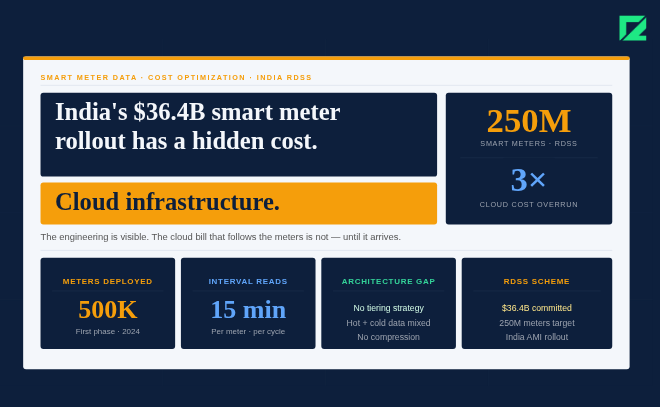
Smart Meter Data Cost Optimization Under India’s RDSS Rollout

Introduction Smart Meter Data Cost Optimization is becoming a top priority for utility providers managing large-scale AMI deployments under India’s RDSS program. India’s Revamped Distribution Sector Scheme has committed approximately $36.4 billion to deploy 250 million smart meters across the country. The engineering work of installing meters, provisioning SIM cards, and standing up head-end systems…

Composable Booking Engine Architecture for OTAsC

Introduction Composable booking engine architecture is reshaping how modern OTAs support AI booking agents, dynamic packaging, and API-first travel commerce. Your booking engine was built for browsers. AI agents do not use browsers. Your Booking Engine Was Built for Browsers. AI Agents Do Not Use Browsers. The next wave of travel bookings will not come…

How to Build a DevSecOps Pipeline With Autonomous Security Enforcement

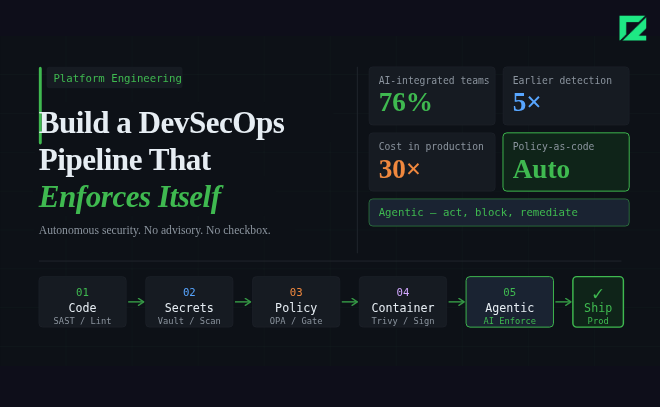
A security scan that runs after your build is not a DevSecOps pipeline. It is a security checkbox that runs after your build. The distinction matters because one approach catches vulnerabilities before they reach production, and the other hopes someone reads the report. According to industry data from N-iX and DZone’s 2026 DevOps surveys, 76%…

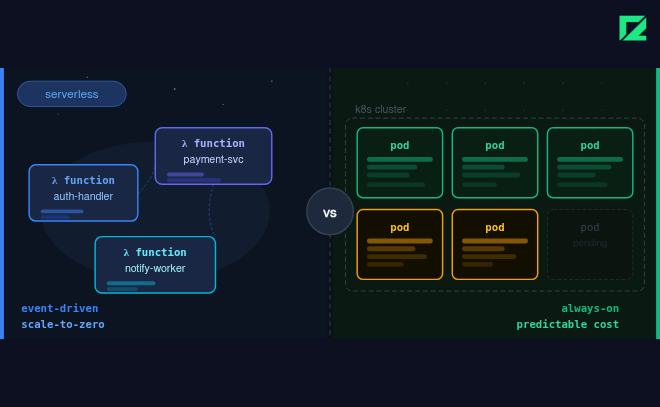
Serverless vs Containers: Cost, Performance & Scaling in 2026

Serverless vs Containers in 2026: Compare cost, performance, scalability, Kubernetes, AWS Lambda, cold starts, and cloud architecture tradeoffs for modern engineering teams. Every team evaluating cloud architecture in 2026 faces this question: serverless or containers? The answer is not universal, and teams that default to one without understanding the tradeoffs end up paying for it,…

  • Copyright © 2026 codelynks.com. All rights reserved.

  • Terms of Use | Privacy Policy